
Admissions Timeline at Nevada Sage Waldorf School

When to Apply, How to Prepare, and What to Expect
If you're exploring Waldorf admissions in Reno and wondering when to apply, this guide walks you through the full admissions timeline at Nevada Sage Waldorf School for the 2026-2027 school year.

Key Dates for the 2026-2027 School Year
Families should plan around the following dates:
February 2, 2026: Tuition Assistance applications open
March 1, 2026: Re-enrollment begins for current families
March 16, 2026: New student enrollment begins
Mid-March 2026: Teacher intake interviews begin for the upcoming school year
Applications for new students are currently open. Once an application is complete and the re-enrollment period is concluded, the admissions team schedules intake interviews for applicant families.
Step-by-Step Admissions Process
Step 1: Visit the School
Families are required to visit before applying. Seeing the school in action helps clarify
whether a Waldorf education is the right fit.

Visit options include:
Individualized weekday tours during the school day
Open houses featuring classroom experiences, teacher conversations, and opportunities to speak with alumni
These visits provide a realistic sense of daily life, not just educational philosophy.
Step 2: Submit the Application
Applications are completed online through TADS.
A completed application includes:
The online application form
A $75 non-refundable application fee
Once submitted and paid, the application is considered complete.
Step 3: Intake Interview
For fall enrollment:
Intake interviews begin in mid-March for the upcoming school year.
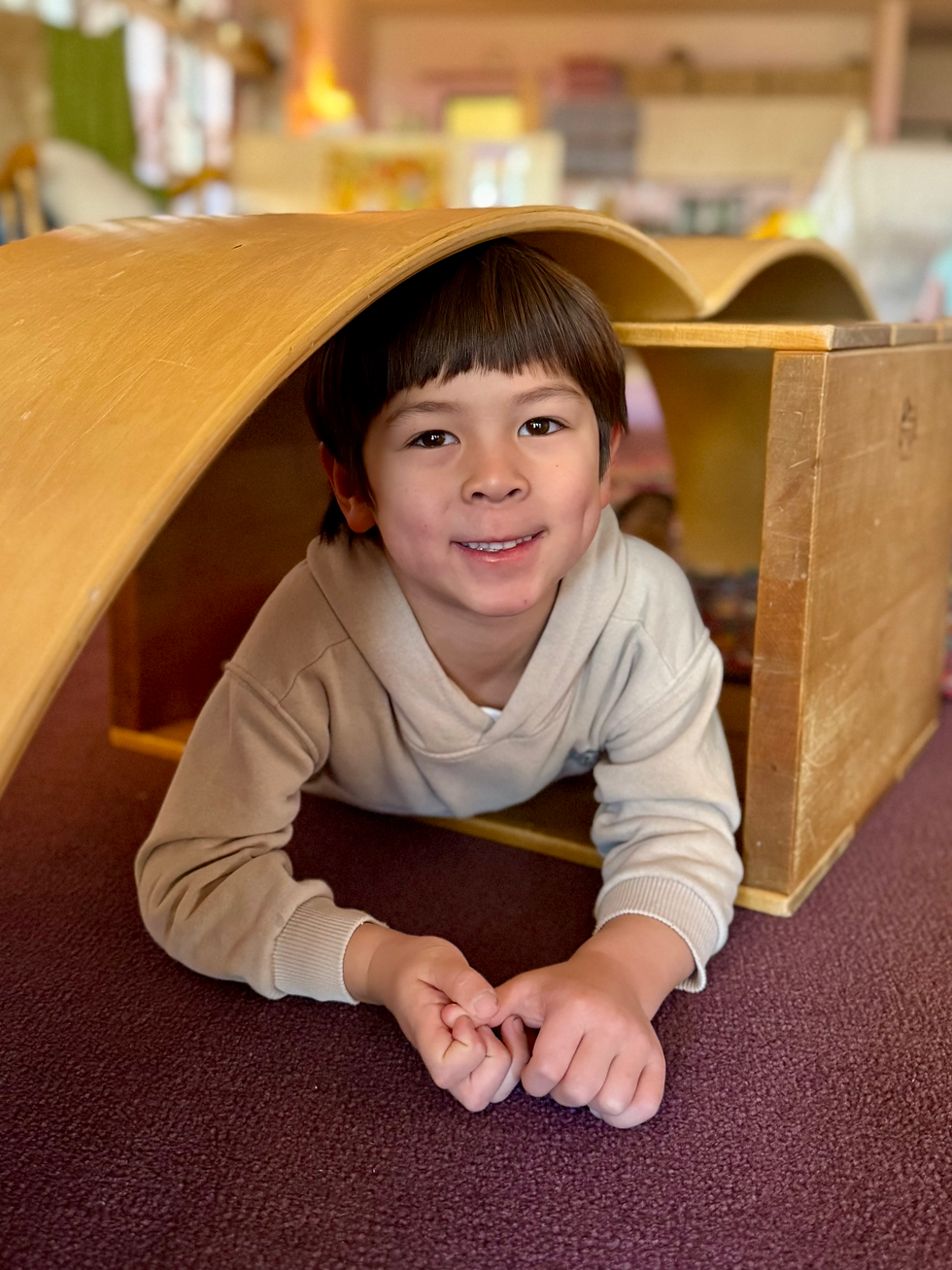
For mid-year applicants:
Intake interviews are scheduled as soon as the application is received, provided there is space and no waitlist for that grade or age group.
What Happens During an Intake Interview (Grade Applicants)
The intake interview is designed to understand the student's current development and readiness. The interview is broken up into two sections: a student meeting and a parent meeting. The student meeting involves games, age-appropriate academic activities (such as writing or math), and sometimes drawing. The parent meeting involves a conversation about the family's hopes for their child and feedback from the teacher's observations.
This is not a test. It is a warm, professional assessment meant to understand who the child is today and how the school can best support them.
Step 4: Observation Week (Grade Students Only)
For grade applicants, a week-long observation is always required.
How it works:

Scheduled after the intake interview
The student joins the classroom for a full school week
Why it matters:
Teachers observe the student in the real classroom rhythm
The student experiences daily life at Nevada Sage
Families gain a clear understanding of the educational environment
This step ensures the placement is supportive for both the student and the class community.
On Thursday of the Observation Week, the faculty meet to share observations and make a collective acceptance decision. Families are notified of the decision on Friday.
Readiness and Placement: How Decisions Are Made
Teachers consider three main areas during interviews and observation weeks:
Academic readiness: Current skills and support needs
Social readiness: Peer interactions and participation in class community
Emotional readiness: Emotional development and overall classroom fit
At Nevada Sage, students typically remain with their class community over time. Placement
decisions prioritize long-term success, belonging, and well-bring.

In some rare cases, a different grade placement may be recommended. When this occurs:
The decision involves the full grades faculty
Families participate in a thoughtful, transparent conversation
Academic, social, and emotional development are all considered
The goal is to place students where they are most likely to thrive.
Mid-Year Admissions
Mid-year enrollment is possible when space is available and there is no waitlist for the desired grade or age group.
If there is a spot available, the admissions process moves quickly, with interviews and grades observations scheduled on an accelerated timeline.
After Acceptance: Enrollment and Fees
Accepted families receive an Enrollment Packet through TADS. This is where you provide
your schedule selection, medical information, and authorized contacts.

Once the Enrollment Packet is signed, you will receive your Tuition Agreement. Your child's spot will be secured once the Tuition Agreement is signed and your first invoice or deposit has been paid.
Fees and deposits:
$100 enrollment fee
$500 non-refundable deposit due after tuition agreement is signed
$575 supply fee invoiced on July 1
The deposit is applied to tuition, reducing the August 1 payment by $500.
Tuition Assistance

Tuition assistance applications open February 2, 2026.
Important notes:
Families may apply for assistance after submitting an application
Funds are awarded first-come, first served
Current families receive priority
Families planning to apply for tuition assistance are encouraged to do so as early as possible.
Daily Schedule Overview

Early Care: 7:30-8:15
Regular Drop Off: 8:15-8:30
Half-Day Pickup: 12:45-1:00
Full-Day Pickup: 3:15-3:30
Extended Care: 3:30-5:30
Grades
Drop Off: 8:00-8:15
Pickup (1st-3rd): 2:30
Continuing Care (1st-3rd): 2:30-3:15
Pickup (4th-8th): 3:15
Thursday Pickup (all grades): 1:15
Continuing Care (Thursdays): 1:15-3:15
How to Prepare: A Simple Checklist

Attend a tour or open house
Apply before March 1 whenever possible
Apply early for tuition assistance if needed
For grade applicants, frame interviews and observation week as an opportunity to meet new friends, not as a performance.


Ik constateer dat de interpretaties geen overdrijving kennen en gegrond blijven. Het analytisch onderscheid tussen feit en interpretatie wordt bewaard. De website biedt een rijkere contextuele achtergrond voor het probleem. Betrokkenheidsdynamieken worden ondersteund door online media-infrastructuren.